Few journeys can rival the unforgettable experience of sailing along the Nile. Stretching over 4,000 miles through the heart of northeastern Africa, this majestic river has been a lifeline for civilizations for millennia, carrying travelers past ancient temples, vibrant riverbanks, and the golden expanses of desert landscapes. For centuries, the Nile has offered a front-row seat to some of the most breathtaking sights in Egypt, blending natural beauty with human history. A Nile cruise continues to be one of the most enriching ways to explore the country, seamlessly combining the allure of ancient landmarks, the tranquility of the river, and the comfort of modern travel into a single, extraordinary journey.
Choosing the Right Itinerary
Most Nile cruises operate between Luxor and Aswan, a stretch of river that packs an extraordinary concentration of ancient monuments into roughly 200 kilometres. The standard itinerary runs three to four nights, giving you enough time to visit the major sites without feeling rushed.
Longer itineraries extend north to Abydos and Dendera, adding two temples that many visitors overlook. If your schedule allows, the extra days are worth it. Shorter two-night options exist but tend to feel hurried, particularly if you want time to absorb the sites rather than simply tick them off a list.
The direction of travel matters less than timing. Cruises run both north and south along the river, and the monuments are accessible either way. What does matter is the season — October to April offers cooler temperatures and is widely considered the most comfortable period to travel.
Shore Excursions Worth Prioritising
The temples along this stretch of the Nile are some of the best-preserved ancient structures anywhere in the world. Karnak Temple in Luxor is a vast complex built over 2,000 years, and it rewards time spent walking through its hypostyle hall, where 134 massive columns rise above visitors. The Valley of the Kings, just west of Luxor, holds the tombs of pharaohs including Tutankhamun and Ramesses II.
Further south, the Temple of Edfu is one of Egypt’s most complete ancient structures. At Kom Ombo, a double temple dedicated to two gods sits directly on the riverbank, visible from the water as you approach. Abu Simbel, about 280 kilometres south of Aswan, requires either a domestic flight or a long early-morning drive, but the scale of Ramesses II’s rock-cut temples justifies the effort.
Most cruise operators include guided excursions in their packages. Check what is covered before booking, as entrance fees and private guides add up quickly.
Dahabiyas vs. Modern Cruise Ships
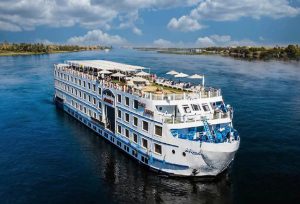
Your experience on the water depends heavily on the type of vessel you choose. Modern cruise ships — the most common option — typically carry between 40 and 100 passengers and offer air-conditioned cabins, onboard restaurants, and sun decks. They run to fixed schedules and are well-suited to travellers who prefer predictability and a range of onboard amenities.
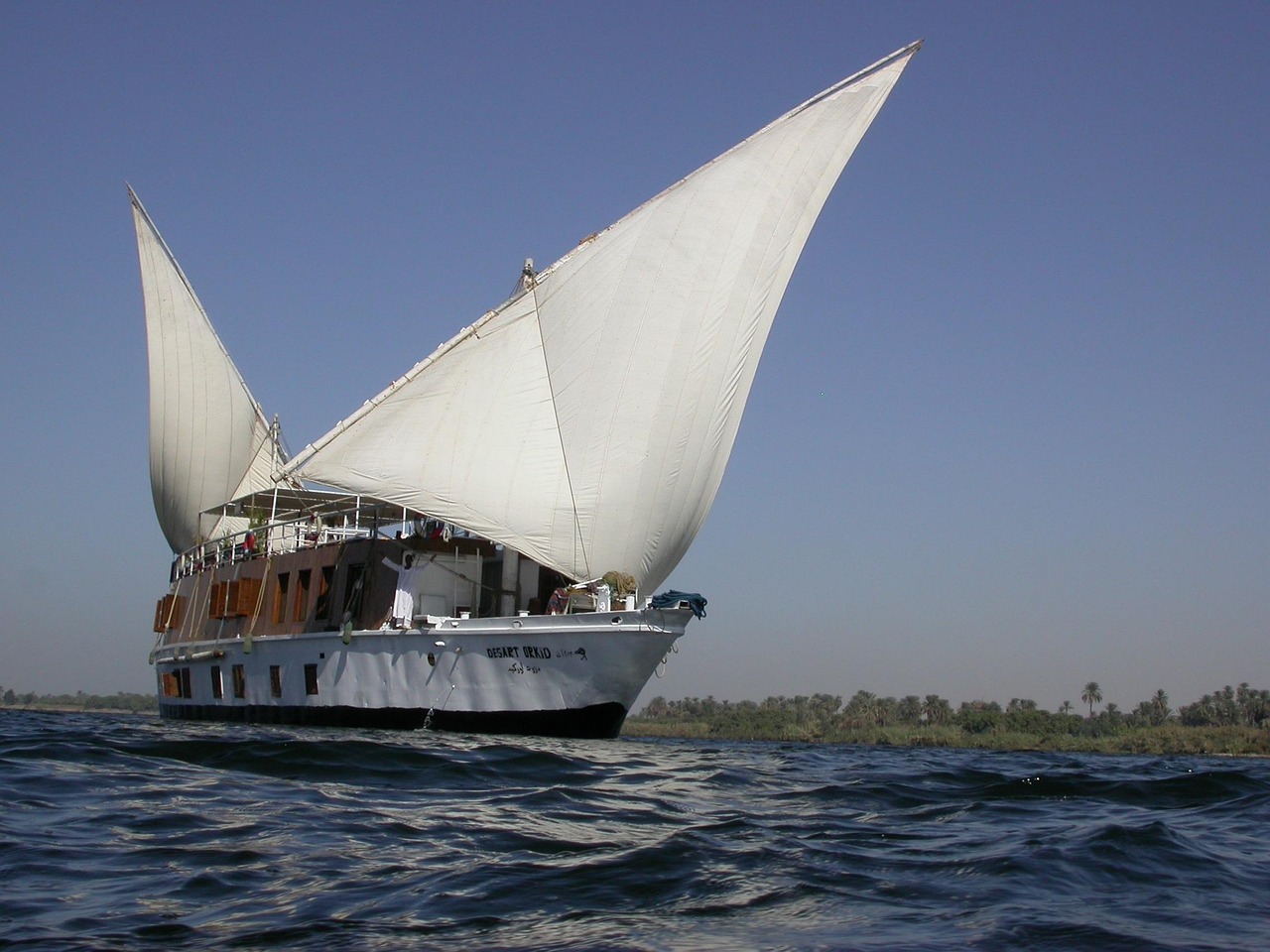
Dahabiyas are traditional wooden sailing boats, usually carrying fewer than 20 passengers. They travel at a slower pace, stopping at smaller villages and less-visited sites along the way. The atmosphere is quieter and more personal. Prices are higher, but the trade-off is a more unhurried experience that larger ships cannot replicate.
Neither option is objectively better — it comes down to what kind of trip you want.
Practical Planning Advice
British passport holders currently require a visa to enter Egypt. An e-visa can be obtained online before departure through the Egyptian government portal, which is faster and more straightforward than applying on arrival.
Book your cruise at least three months ahead if you plan to travel between November and February. This is peak season, and availability on smaller dahabiyas fills up well in advance. For modern cruise ships, earlier booking also tends to secure better cabin positions.
Pack light, breathable clothing for daytime excursions, but bring a layer for evenings on the water, which can turn cool in winter months. Comfortable walking shoes matter more than most travellers expect — temple floors are uneven and distances are longer than they appear on maps.
Currency exchange is straightforward in Luxor and Aswan. Most cruise operators accept card payments, but cash is useful for markets, tips, and smaller purchases along the route.