
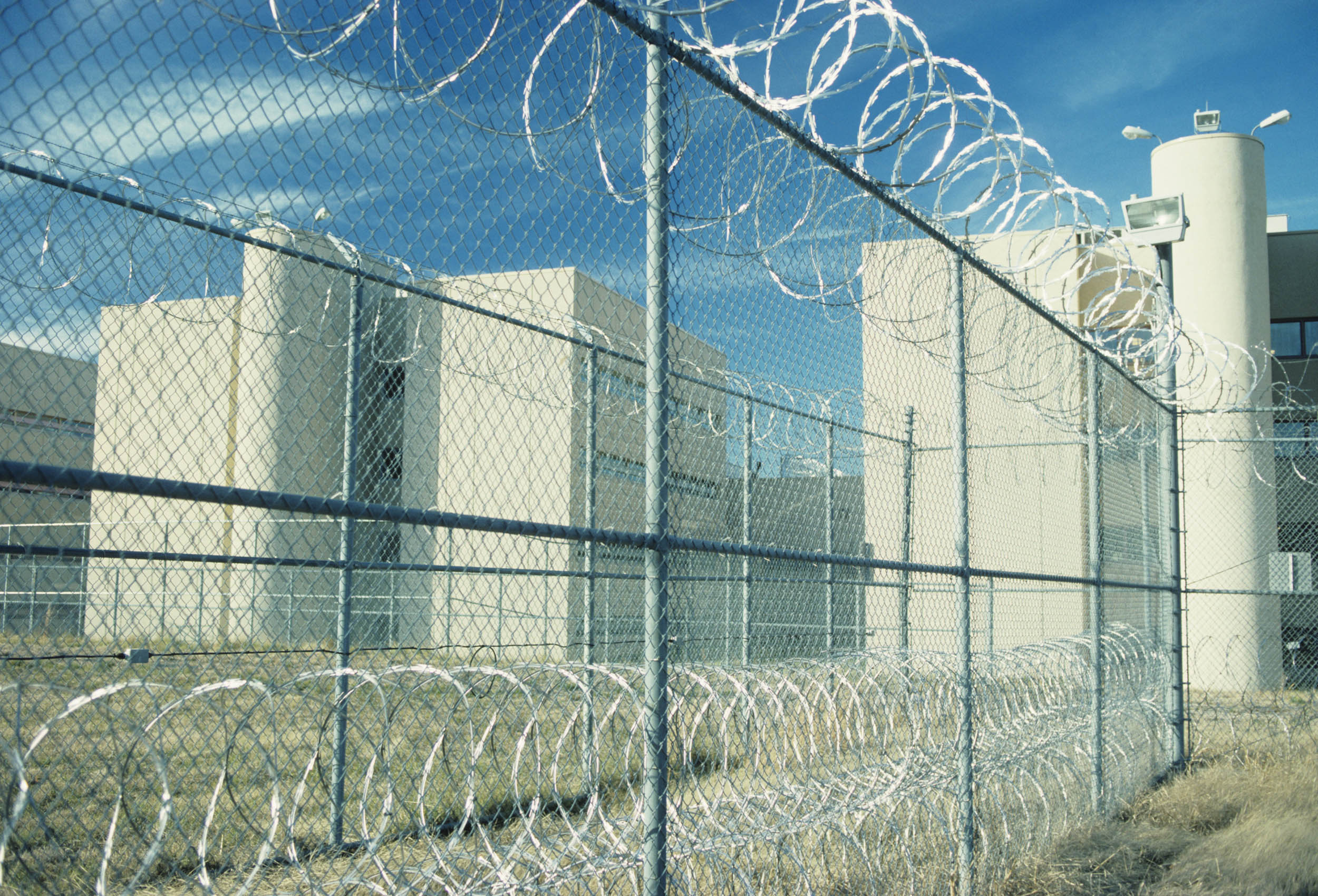
You carry a heavy responsibility when managing a sensitive facility. Protecting people, critical data, and physical assets requires a clear strategy that begins at the very edge of your property line. Perimeter high security fencing serves as your definitive first line of defence against unauthorised entry. Reading this guide will help you understand the fundamental principles of boundary protection, the advanced structural technologies currently available, and how combining physical barriers with active surveillance creates a formidable deterrent against modern intrusions.
Modern Security Challenges for High-Risk Sites
Facilities face a constant barrage of physical threats today. Intruders consistently test physical boundaries, searching for weak points to exploit for theft, intentional damage, or industrial espionage. If you manage a utility plant, data centre, or government installation, a standard chain-link boundary simply cannot provide adequate protection. Attackers frequently use sophisticated power tools and coordinated tactics to breach standard enclosures in seconds. Your facility requires a barrier that actively discourages intrusion attempts long before they begin. Recognising these specific operational vulnerabilities is the necessary first step in formulating a comprehensive defence strategy that keeps your critical operations running without costly disruptions.
Core Principles of Physical Perimeter Protection
Effective site protection relies heavily on three fundamental concepts of deterrence, delay, and detection. An imposing physical barrier intimidates potential intruders, forcing them to reconsider their planned attack. Should they decide to proceed regardless, the fencing must delay their physical progress for as long as mechanically possible. This forced delay gives your on-site security personnel or local law enforcement the critical time needed to respond to the specific threat. Perimeter high security fencing excels at executing all three principles. By presenting a severe physical obstacle, these systems force attackers to expend significant time and effort trying to gain access, which drastically increases their likelihood of apprehension.
Advanced Technologies in Security Fencing Systems
Manufacturers continually engineer smarter materials to counteract aggressive, sustained breach attempts. You will often see heavy-duty welded mesh panels deployed at critical infrastructure sites across the country. The exceptionally narrow apertures of these mesh panels prevent attackers from gaining a climbing foothold or passing destructive tools through the barrier. Additionally, the thick steel wire resists cutting from conventional hand tools and bolt croppers. Some installations incorporate specialised toppings such as barbed tape or electrified wire to provide an additional physical and psychological deterrent. By selecting materials engineered specifically to withstand high-threat environments, you establish a physical boundary that deflects forceful, coordinated attacks.
Integrating Surveillance with Physical Barriers
A physical fence alone cannot report an ongoing incident. To maximise your site protection capabilities, you must combine heavy-duty physical structures with active electronic monitoring technologies. Fibre-optic detection systems can be woven directly into the fence fabric to sense microscopic vibrations caused by climbing, cutting, or lifting attempts. When the system detects a suspicious disturbance, it immediately alerts your central control room and automatically directs pan-tilt-zoom cameras to the exact geographical location of the attempted breach. This deep integration transforms a passive metal barrier into an active, intelligent boundary that provides immediate, real-time situational awareness for your security personnel.
Long Term Benefits of Strategic Boundary Defence
Investing in premium boundary protection delivers tangible returns that extend far beyond immediate threat prevention. A thoroughly planned boundary system drastically reduces the need for large, static human guard patrols, thereby lowering your ongoing operational overheads. It can also help decrease your facility insurance premiums by clearly demonstrating a serious, measurable commitment to operational risk management. Above all else, it gives you peace of mind. Knowing that your most valuable assets sit safely behind an intelligent, highly resilient physical barrier allows you to focus entirely on running your operations efficiently, rather than constantly worrying about external security breaches.